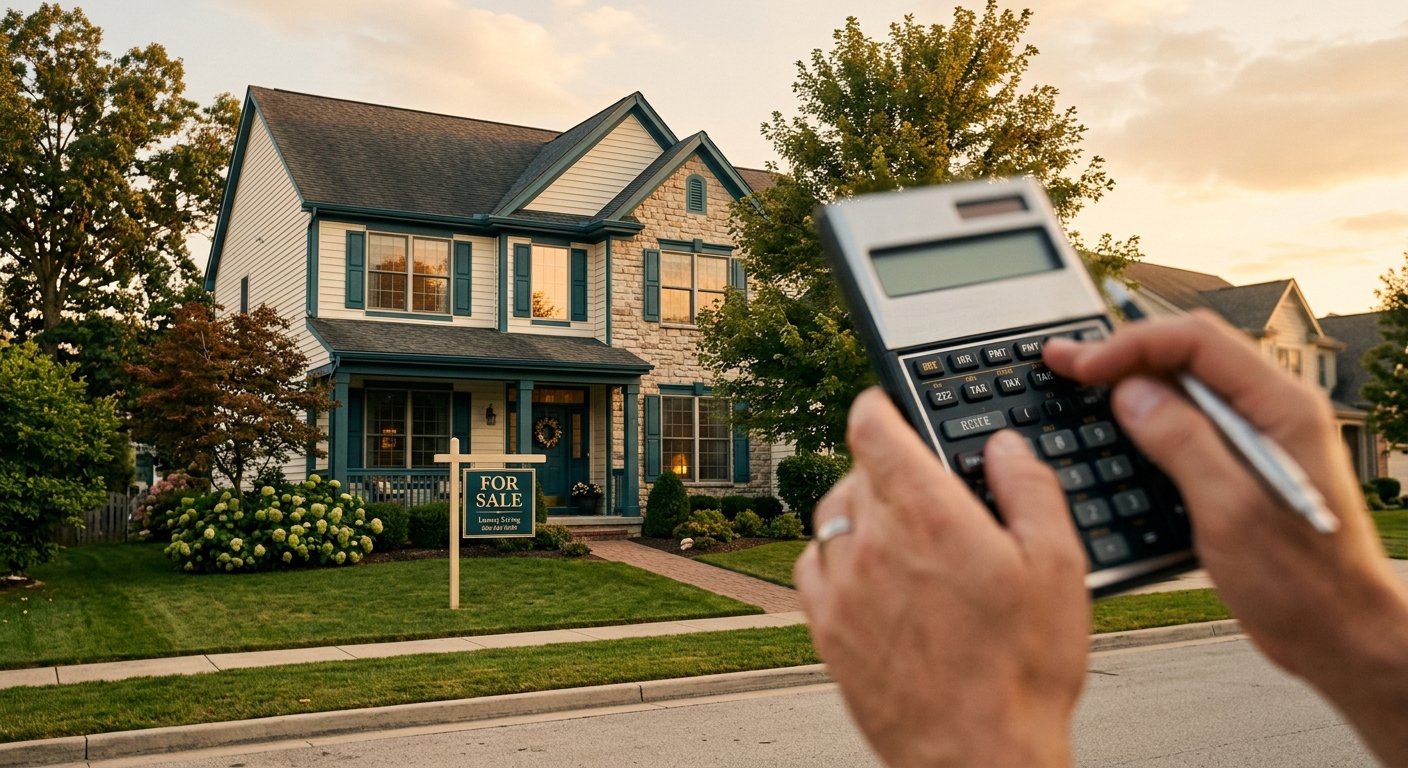
Refinancing a mortgage can be one of the most valuable financial moves a homeowner makes — or an expensive detour that resets a comfortable loan into a longer, costlier one. The difference comes down to numbers rather than headlines. A rate that looks attractive in an advertisement may not beat your current loan once closing costs, a longer term, and a fresh amortisation schedule are taken into account. The right question is not "are rates lower than when I bought?" but "does this specific new loan leave me better off over the time I will actually keep it?"
Start by identifying your objective. Homeowners refinance for broadly three reasons: to lower the monthly payment, to shorten the repayment term and reduce total interest, or to access equity for a renovation, education, or debt consolidation. Each objective leads to a different loan structure and a different way of measuring success. Refinancing with no clear objective is how people end up thirty years from payoff again at the age of fifty-five.
Calculate the break-even point honestly
Refinancing carries upfront costs — origination and application fees, appraisal, title work, credit and recording fees, and sometimes points. Add them up, then divide the total by your expected monthly saving. The result is the number of months before the new loan pays for itself. If closing costs total $4,200 and you save $175 a month, your break-even is twenty-four months. If you expect to move within two years, the maths does not work and the refinance is likely a loss, however attractive the rate looks on paper.
Watch what happens to the term
A lower monthly payment can be produced simply by stretching repayments back over thirty years. Comparing a $310,000 balance at 6.8% with twenty-four years remaining against a new thirty-year loan at 6.1% shows a clear monthly saving, yet the borrower may pay more interest overall because the debt is being repaid far more slowly. Always compare total interest and the payoff date, not only the monthly figure. A refinance that keeps the remaining term constant is the fairest like-for-like comparison.
Decide whether to roll costs in or pay them
Rolling closing costs into the new loan keeps cash in your account but raises the principal and the interest you will pay on it. Paying them upfront is cheaper overall but ties up liquidity. There is no universal right answer — it depends on your emergency reserves and on how long you plan to stay in the home. If paying costs upfront would leave you with less than three months of expenses in reserve, rolling them in is usually the more prudent route.
Do not refinance away a good feature
Older loans sometimes carry benefits that quietly disappear when they are replaced: a very low fixed rate secured years ago, no prepayment penalty, an assumable structure, or mortgage insurance that has already fallen off. Before committing, ask what you are giving up. A refinance should add value in total, not merely reduce one line item while removing another advantage.
Consider your credit and documentation now, not later
Refinance underwriting is stricter than it was during the purchase boom. Lenders will look at your middle credit score, debt-to-income ratio, employment history, and reserves. Paying down revolving balances and avoiding new credit applications for sixty to ninety days before applying can materially improve the rate you are offered. If your income is variable or self-employed, gather two years of tax returns and recent statements early — documentation delays are the most common reason a good rate expires before closing.
Alternative routes worth pricing
A full refinance is not always the cheapest option. Ask your current lender about a streamlined or rate-and-term modification, which may involve less documentation and lower costs. A home equity loan or line of credit can access equity without disturbing an existing low-rate first mortgage — often the smarter choice when the first loan's rate is already competitive. Where the objective is consolidation, compare a home equity product against a personal loan, because secured borrowing puts your home at risk if repayments falter.
Finally, be wary of anyone who presents refinancing as automatic. Your situation is specific: how long you intend to stay, what your remaining term is, what liquidity you need, and what the home is genuinely worth today. A fifteen-minute conversation with an advisor who can see all of those numbers at once is more useful than a dozen rate quotes in isolation.
If you are unsure whether your current mortgage is still working for you, we will run the comparison with you — total cost, break-even, and cash-flow impact — and tell you honestly if the answer is to stay put. Sometimes the best refinance is the one you do not do.